What our presale campaigns reveal about demand before groundbreaking
Kirill Samarits on what TERAMOK's documented presale campaigns in Chicago, Miami and Europe show about buyer demand before construction: dated numbers, charts and the lessons.

Presale demand is real before groundbreaking, but it is slow, it's expensive to qualify, and it shows up in the wrong metric first. That's the short version of what our documented campaigns show. On a 48-unit Chicago building, a seven-month pre-construction campaign produced 180+ qualified inquiries and 22 reservations before the site was dug. That is roughly one reservation for every eight qualified conversations.
I'm Kirill Samarits, Founder & CEO of TERAMOK. My team runs presale and launch marketing for developers in the United States and Europe. This article puts our documented campaigns side by side, with their limits stated, and explains what I think they mean for anyone planning a sales launch. All client numbers are TERAMOK-reported and not independently audited. Clients under NDA are not named.
The campaigns, side by side
These are the campaigns where we have clean, dated numbers. They were measured at different stages of the sales funnel, so read each row on its own terms instead of ranking them against each other.
Project | Market and period | What was measured | Result |
|---|---|---|---|
48-unit residential development | Chicago, seven-month pre-construction campaign | Reservations before groundbreaking | 22 of 48 units (46%), from 180+ qualified buyer inquiries |
44-unit residential development | Miami, first 28 days, July 2026 | Leads and warm leads on about $1,000 of media | 104 leads, 41 warm after screening (about $24 per warm lead) |
Luxury villa development (NDA) | Europe, 2025 | Sales before completion | 2 of 3 villas sold 70 days before completion, $17M in sales |
Large mixed-use development (NDA) | Europe, 2026 | Monthly demand and cost | 411 leads a month, 2M+ website visits, $72 per qualified lead |
Table 1. TERAMOK-reported results. Reservations are not completed sales. Europe clients are unnamed under NDA.
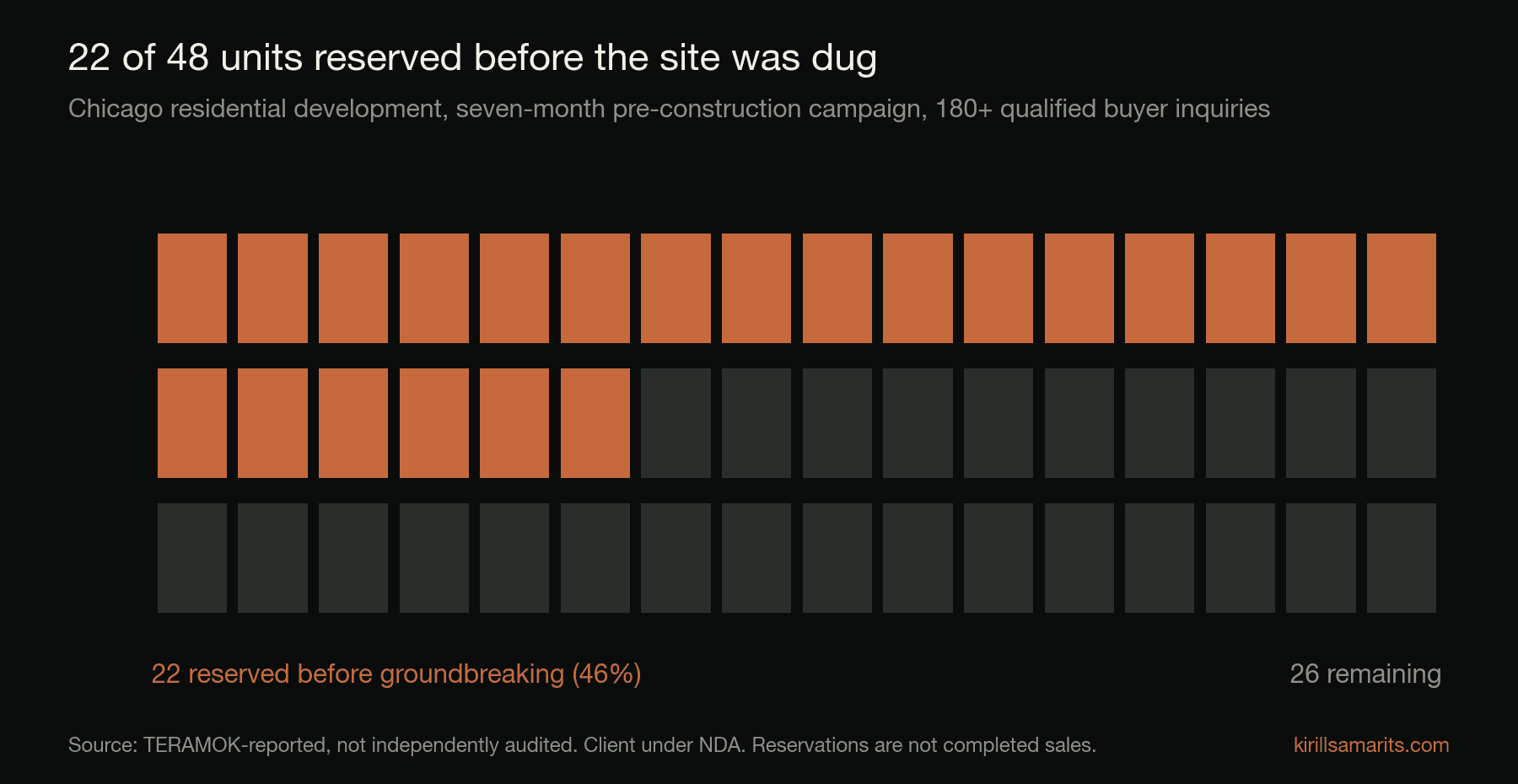
Figure 1. 22 of 48 units reserved before groundbreaking, Chicago. TERAMOK-reported; reservations are not completed sales.
Lesson 1: demand exists before there is anything to see
The most common objection I hear from developers is that buyers won't commit to a hole in the ground. The Chicago numbers say otherwise. Almost half the building was reserved while it was still renders, a sales story and a price sheet. What buyers need before groundbreaking isn't a finished building. They need a clear answer to three questions: who is building this, what exactly am I getting, and what happens to my deposit if something changes.
That is why I treat the first months of a presale campaign as trust-building, not advertising. The developer's track record, the architect's name, the specification and the deposit terms do more work than any single ad.
Lesson 2: the conversion rate that matters is inquiry to reservation
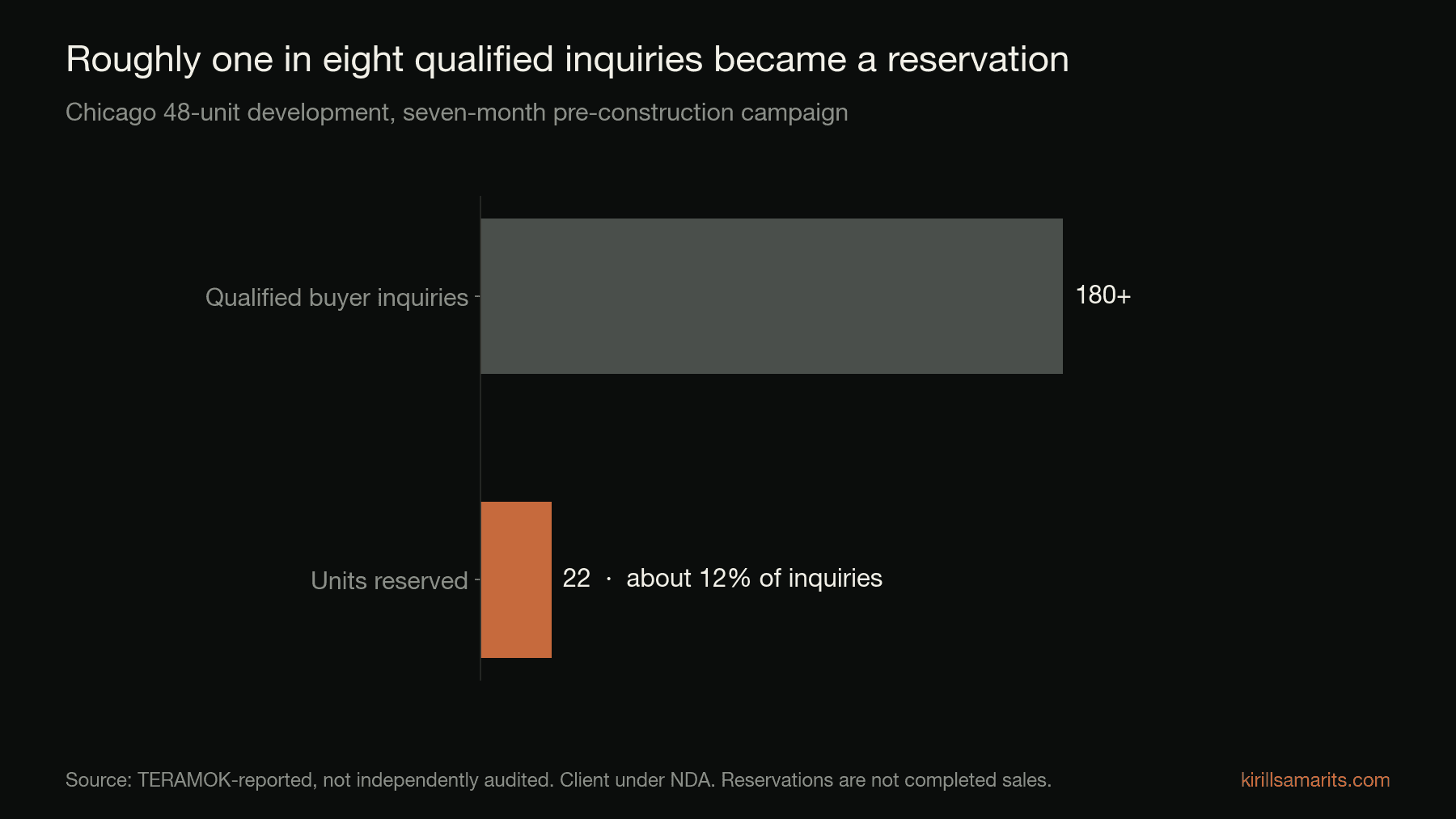
Figure 2. About one in eight qualified inquiries became a reservation. TERAMOK-reported.
About 12% of qualified inquiries became reservations in Chicago. That figure is more useful to a developer than any cost-per-lead number, because it tells you how many conversations the sales team needs to hold to sell the building. If you need 48 reservations and roughly one in eight qualified inquiries converts, you need about 400 qualified conversations. You then have to work backwards to the media, content and time that produce them.
Most launch plans skip that arithmetic. They set a lead target, hit it, and discover months later that the leads didn't turn into deposits.
Lesson 3: cheap leads are cheap for a reason
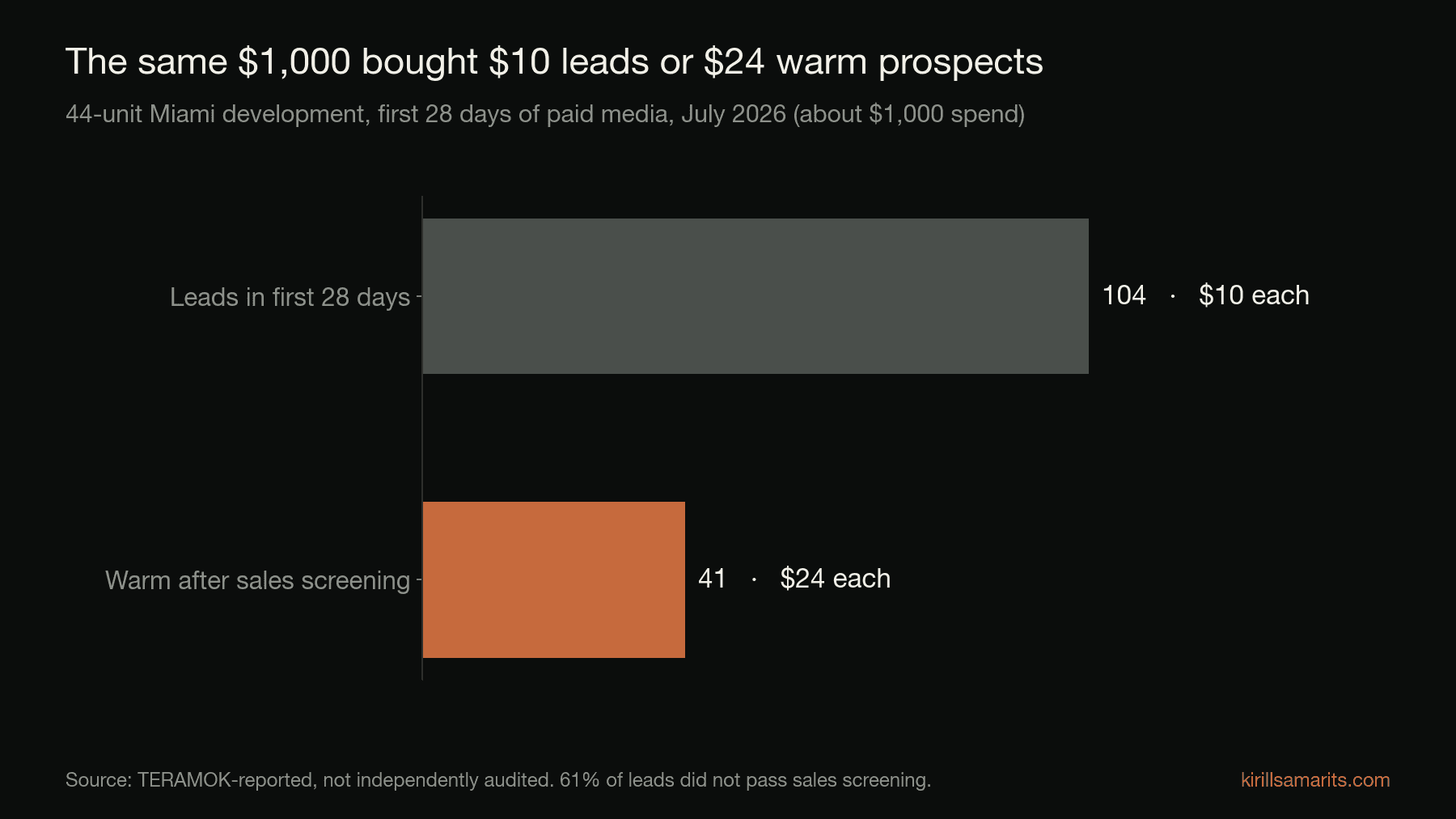
Figure 3. Miami, first 28 days: 61% of leads did not pass sales screening. TERAMOK-reported.
In Miami, about $1,000 of media produced 104 leads in 28 days. That looks like $10 a lead. After the sales team screened them, 41 were warm, which puts the real cost at about $24 per warm lead. Neither number is bad. The point is that the second number is the one you can plan a building's sales around, and it's two and a half times the first.
On a large mixed-use project in Europe, the cost was $72 per qualified lead. That's higher, but it's measured further down the funnel, on a bigger and more complex product. Comparing it with Miami's $10 lead would be comparing a deposit with a click.
Lesson 4: the last units sell on proof, not promises
On a luxury villa development in Europe in 2025, two of the three villas sold 70 days before completion, for $17M in sales. At that stage buyers can see the real building rather than renders. In my experience, that's the point where the conversation moves from whether the developer will deliver to which unit to buy.
The practical lesson is to plan the content for the final third of sales before you start. Schedule photography and film of real construction milestones, so you have proof ready when the early-adopter buyers are gone.
Lesson 5: international demand needs a longer runway
BUY GREECE, the Greek property venture I founded in 2024, is the clearest case of slow demand I've seen. Its website has reached 200K visitors, 91% of them from organic search, and generates 1,500+ qualified leads a quarter. But most visitors arrive with questions about law, taxes, residency and rental rules, not with a budget. Buyers who cross a border to buy need months of education. Developers who plan to sell to foreign buyers should build that into the timeline.
What I'd tell a developer planning a presale
Start before the renders are final. You need months, not weeks, to turn interest into reservations.
Plan backwards from reservations. Set a target for reservations, estimate your inquiry-to-reservation rate (ours was about one in eight in Chicago), and size the campaign from there.
Report warm leads and reservations, not raw leads. Put the screening step in the report so everyone sees the real cost.
Answer the trust questions first. Who is building it, what the buyer gets, and what happens to the deposit.
Save proof for the end. Real photography and film of the building sell the last units.
The limits of this data
Four campaigns are not a market study. They cover different cities, product types and stages of the funnel, and all figures come from TERAMOK's own reporting. I publish them because dated, specific numbers are more useful than general claims, and because the ratios are the part other developers can test on their own projects. If you run a presale and want to compare notes, I'd like to hear your numbers.
Frequently asked questions
How many units can realistically be presold before groundbreaking?
It depends on the market, product and price, but it is possible to reserve a large share before construction. On a 48-unit Chicago development, a seven-month TERAMOK pre-construction campaign reached 22 reservations, 46% of the building, before groundbreaking. Reservations are not completed sales.
What is a good inquiry-to-reservation rate for a presale?
In TERAMOK's Chicago campaign, about 12% of qualified buyer inquiries became reservations: 22 reservations from 180+ qualified inquiries. Use your own rate to work out how many qualified conversations you need to sell the building.
How much does a presale lead cost?
It depends on how you define a lead. In a July 2026 Miami campaign, about $1,000 of media produced 104 leads, about $10 each, but only 41 were warm after screening, about $24 each. On a large European mixed-use project the cost was $72 per qualified lead.
When should presale marketing start?
Before the design is final. Building trust with buyers takes months, and the Chicago campaign that reserved 22 of 48 units ran for seven months before groundbreaking.
Sources
TERAMOK, Chicago pre-construction case study.
TERAMOK, results ledger with dashboards.
All client figures are TERAMOK-reported and not independently audited. European clients are unnamed under NDA.
Kirill Samarits is a real estate marketing executive and entrepreneur based in Chicago and Athens, Founder & CEO of TERAMOK and founder of BUY GREECE and FOS AI. More about Kirill · Real estate marketing